
Septic Installer services in Birmingham
Septic Installer Service EXPERTS
Professional septic system installation and maintenance ensuring compliant, long-lasting drainage solutions.
Professional Septic Installation Designed for Reliable Wastewater Management and Long-Term Property Performance
A properly designed septic system plays an important role in keeping residential properties functional, sanitary, and dependable. Our construction services help homeowners address property improvement needs with practical planning and careful execution. When wastewater management is the priority, our septic installation services are focused on creating a system that fits the property's layout, soil conditions, wastewater requirements, and long-term use.
Whether you are developing a new property, replacing an aging system, or preparing land for construction, septic planning should be handled with attention to the site and the way the property will be used. We also understand that related site conditions can influence the overall project, which is why homeowners may benefit from coordinated dirt work solutions when site access, grading, or excavation needs to be considered. To review your property and discuss the next steps, contact our construction team for project-specific guidance.
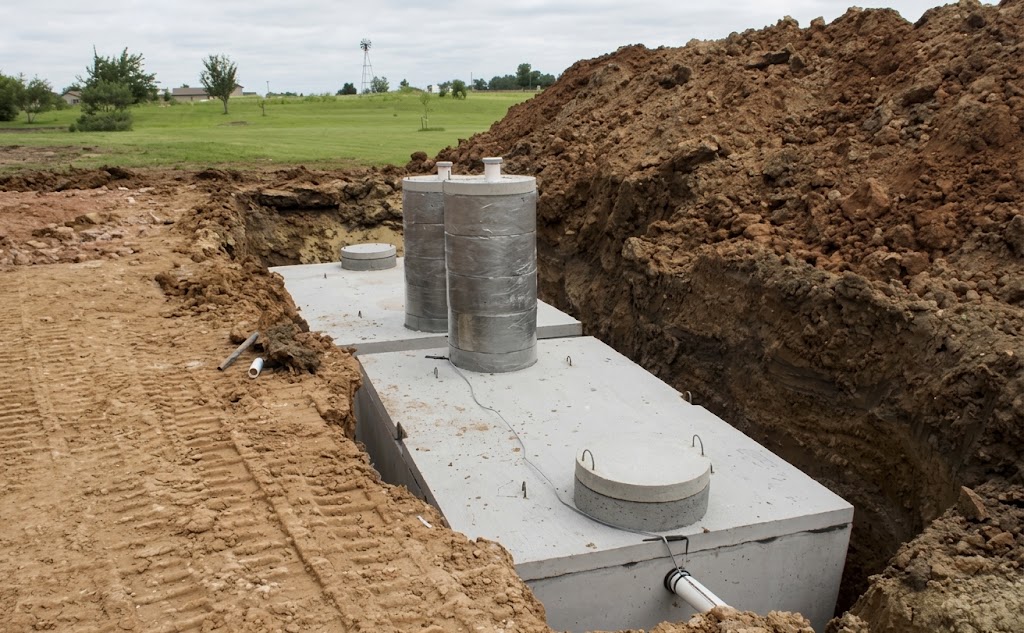
A Properly Planned Septic System Helps Keep Your Property Functioning Efficiently
A septic system is more than a buried tank and drain field. The system needs to work with the property's available space, site conditions, expected wastewater volume, and surrounding landscape. Poor planning can create unnecessary complications, while a properly considered system can support dependable wastewater handling for everyday residential use.
Septic installation provides an opportunity to address wastewater needs before construction or property development moves too far forward. A well-organized installation may help:
- Establish a practical wastewater treatment and disposal setup for the property
- Account for site conditions that influence where system components can be placed
- Coordinate excavation and installation work with other property improvements
- Support the long-term use of homes and rural properties without relying on municipal sewer connections
- Reduce avoidable conflicts between septic components, driveways, structures, and other planned site features
- Create a more organized foundation for future property development and maintenance
The objective is to install a septic system that is practical for the property rather than using a one-size-fits-all approach.
Dependable Septic Installation Support Across the Communities We Serve
Septic needs can vary significantly from one property to another. Terrain, lot configuration, available space, future building plans, existing structures, and local site conditions can all influence the installation process. We approach each Septic Installer project with attention to the characteristics of the property and the wastewater requirements that need to be addressed.
- Birmingham : Birmingham properties can present a range of lot layouts and development conditions. Our septic installation approach considers the specific property configuration so wastewater planning works alongside the home's existing structures and surrounding improvements.
- Hoover : Hoover homeowners may need septic solutions for properties with unique site limitations or private wastewater requirements. We focus on practical placement, site coordination, and installation planning that supports reliable daily use.
- Vestavia : In Vestavia, property layout and surrounding improvements can influence septic system planning. We consider how wastewater components can be integrated into the site while maintaining a sensible relationship with existing residential features.
- Alabaster : Alabaster properties may require septic planning that takes open areas, future improvements, and current site conditions into account. Our goal is to develop an installation approach that supports both present use and practical long-term property needs.
- Bessemer : Bessemer homeowners can benefit from a septic installation strategy built around the actual site rather than a generic layout. We evaluate available space and project requirements so installation work can be organized efficiently.
- Pelham : Pelham properties can involve varying terrain, residential layouts, and future improvement plans. Our septic work is organized with those conditions in mind so the finished system fits naturally into the broader property plan.
- Helena : Helena homeowners may be planning new construction, upgrading an existing property, or preparing a site that requires private wastewater handling. We tailor septic installation considerations to the property's present condition and intended use.
- Mountain Brook : Mountain Brook properties often require careful coordination when underground systems must coexist with established landscaping, structures, and other improvements. Our approach emphasizes practical placement and thoughtful site planning.
- Trussville : Trussville residents may require septic installation as part of a broader property development or improvement project. We consider the relationship between wastewater components and the home's surrounding site features to support a more organized result.
- Homewood : Homewood properties may have existing site elements that affect where septic-related work can be performed. We pay attention to usable space, access, and surrounding improvements when planning the installation.
- Calera : Calera homeowners may be developing properties where a dependable private wastewater system is an important part of the overall plan. We approach septic installation with attention to site layout, expected use, and the broader construction goals of the property.
- Chelsea : Chelsea properties can benefit from septic planning that takes existing land features and future property improvements into account. Our focus is on creating a coordinated installation process suited to the specific site.
- Gardendale : Gardendale homeowners may need a septic system for a newly developed property or a project involving an existing residence. We consider the site's available area, access, and surrounding improvements when shaping the installation approach.
- Leeds : Leeds residents may be looking for dependable septic installation that fits both the immediate property needs and future plans. Our approach centers on site-aware planning and coordinated installation rather than treating every property the same way.
What Our Septic Installation Service Can Include
Septic installation can involve several stages depending on the property, system requirements, site conditions, and overall project scope. The specific work may include:
- Septic system planning based on the property's available space, expected wastewater demand, and overall site configuration
- Site excavation for preparing the areas needed for tanks, piping, and related system components
- Septic tank installation to provide the primary containment component for household wastewater
- Drain field preparation according to the planned wastewater disposal arrangement and site requirements
- Underground piping placement to establish the necessary connection between the home and the septic system
- Site grading and restoration coordination to help integrate the completed installation with surrounding ground conditions
- Project coordination when septic work needs to align with broader construction or land improvement activities
Every property has different conditions, which is why the installation approach should be based on the actual site instead of a standard formula applied to every project.
Careful Site Planning Creates a Stronger Foundation for Septic Installation
Septic installation should begin with an understanding of the property's current condition and how the site is expected to function over time. Available space, access, structures, drainage patterns, future additions, and other site factors can all influence how the project should be organized.
Thoughtful planning can help identify potential conflicts before excavation begins. It also gives homeowners a clearer understanding of how the septic system can fit into the broader use of the property and any other construction work being considered.
Septic System Installation Should Reflect How the Property Will Be Used
A septic system needs to support the household or property it serves. Residential wastewater demand, occupancy patterns, property development, and future use can all be important considerations when planning the installation.
A thoughtful Septic Installer approach looks beyond the immediate installation area and considers how the system relates to the rest of the property. Proper coordination can help preserve practical access while reducing unnecessary conflicts with driveways, buildings, landscaping, and future improvements.
Every Part of the Septic System Works Together as One Property Solution
A septic system depends on multiple components working together as intended. Tanks, inlet and outlet piping, distribution elements, drain field areas, and surrounding site preparation all contribute to the system's overall function.
Coordinating these elements during installation helps create a more organized result. The objective is to place each component with the property's layout, intended use, and site requirements in mind so the finished system becomes a functional part of the property rather than an isolated installation.
A Thorough Septic Installation Process From Property Review to Final Site Work
A residential septic project should begin by reviewing the property, identifying the intended installation area, and understanding the requirements that will influence the project. We consider the site's usable space, access conditions, surrounding features, and overall construction objectives.
As the installation progresses, attention is given to excavation, component placement, connections, site coordination, and the relationship between the septic system and surrounding ground conditions. The work is organized to keep the overall installation consistent with the property's needs.
Reliable Septic Installation Built to Support Your Property for Years to Come
Homeowners looking for dependable property improvement solutions can explore a focused septic system installation service when a property requires reliable private wastewater management. When you are ready to review the site, discuss installation requirements, or determine the right project scope, contact our septic installation team to discuss a solution tailored to your property.
We understand that dependable septic installation requires more than placing system components underground. Our approach emphasizes practical site planning, coordinated excavation, thoughtful placement, and careful attention to the property's overall layout so the finished system can serve the home as intended.
The Long-Term Advantages of a Well-Planned Septic System
A properly considered septic system can provide an important wastewater solution for properties that do not rely on municipal sewer service. Thoughtful installation can help create a setup that supports regular household use while fitting the land and the home's broader layout.
Septic installation may also become part of a larger property improvement project. New construction, land development, home expansion, or rural property upgrades may all require private wastewater planning to be addressed alongside other site work.
The objective is to create a practical system that works with the property today while allowing homeowners to maintain a more organized site for years to come.
How Our Septic Installation Team Organizes the Work From Initial Site Review to Completion
We begin by reviewing the property's usable space, existing conditions, access points, and the homeowner's goals for the site. This creates a clearer starting point for determining how the septic installation should be coordinated with the surrounding property.
Once the project moves forward, the work is organized around the planned excavation, system components, connections, and necessary site restoration. Attention is given to how each part of the installation works together rather than treating individual tasks as separate activities.
Whether the project is part of new construction or an improvement to an existing property, the installation approach is adjusted around the site's actual characteristics instead of forcing the same setup onto every project.
Situations That May Call for a New or Replacement Septic System
Septic installation may become necessary for several different property situations. Homeowners may want to evaluate their wastewater setup when they are dealing with:
- A newly developed property without access to municipal sewer service
- An aging septic system that is no longer suitable for the property's needs
- A home expansion or property change that increases wastewater demands
- An existing septic arrangement that no longer fits the property's planned use
- Property development that requires a new private wastewater solution
- Changes to the site that affect the current location or layout of the system
- A need to coordinate septic work with broader land development or construction plans
When one or more of these conditions apply, reviewing the property as a whole can help determine whether a new installation, system replacement, or another wastewater improvement strategy is the most appropriate path.
Why Property Owners Choose Us for Septic Installation
- Septic installation planning tailored to the property's layout and site conditions
- Practical coordination between septic work and broader construction activities
- Careful attention to excavation, system placement, and underground connections
- Solutions shaped around the property's current and anticipated wastewater needs
- Consideration of surrounding structures, access areas, and future property improvements
- Clear communication throughout the project process
- Professional work practices designed to keep the installation organized
- A site-focused approach that avoids applying the same solution to every property
What Can Affect the Cost of a Septic Installation Project?
Septic installation costs can vary because every property has different site conditions, system requirements, access considerations, material needs, and project scopes. The overall investment depends on the details of the installation and how much site preparation is required.
- Overall system scope — larger or more involved systems may require additional materials, components, excavation, and labor
- Property conditions — terrain, available space, soil conditions, and site access can affect preparation and installation requirements
- Excavation requirements — deeper or more complex excavation work can increase labor and equipment needs
- System components — tank size, piping, distribution elements, and other components can influence the scope of the installation
- Drain field preparation — the required disposal area and associated site work can affect total project requirements
- Related site work — grading, access preparation, restoration, or coordination with other construction can expand the overall scope
We believe homeowners should understand what can shape a septic project before work begins. The recommended approach should reflect the actual property, the wastewater requirements, and the installation result the homeowner needs.
Frequently Asked Questions About Septic Installation
A new septic system may be needed for new construction, properties without municipal sewer access, aging systems, major property changes, or situations where the existing wastewater arrangement no longer fits the property's needs. The right approach depends on the site's condition and project requirements.
Septic installation can involve site planning, excavation, tank placement, piping, drain field preparation, system connections, and related site work. The exact scope depends on the property's layout, system design, and installation requirements.
Yes. Septic installation can be coordinated with new construction, land development, site preparation, grading, driveway work, and other property improvements when the projects are planned together.
The system location depends on the property's available space, site conditions, wastewater requirements, existing structures, access, and applicable project considerations. A proper site review helps determine the most practical installation arrangement.
Yes. Septic projects commonly involve excavation and other site preparation work needed to place the tank, piping, and associated components. The amount of preparation depends on the property's existing conditions and installation plan.
The timeline depends on system size, excavation requirements, site conditions, access, project complexity, and the amount of restoration or related construction involved. A straightforward installation may take less time than a more extensive site project.
In many situations, an aging or unsuitable system can be replaced with a new septic installation. The proper approach depends on the existing system, property conditions, available space, and the requirements of the new installation.
Other Construction Services We Offer Beyond Septic Installation
SEE WHAT OUR CUSTOMERS SAY ABOUT US
REVIEWS
REVIEW US ON GOOGLE
our process
Our process is simple and only contains a few steps
proudly serving these areas
Birmingham
Hoover
Vestavia
Alabaster
Bessemer
Pelham
Helena
Mountain Brook
Trussville
Homewood
Calera
Chelsea
Gardendale
Leeds
READY TO take the next step?
get a free quote TODAY!
business
our services
service areas
operating HOURS
Monday: 7:00 AM - 5:00 PM
Tuesday: 7:00 AM - 5:00 PM
Wednesday: 7:00 AM - 5:00 PM
Thursday: 7:00 AM - 5:00 PM
Friday: 7:00 AM - 5:00 PM
Saturday: Closed
Sunday: Closed

© 2026 Landman Property Solutions