
Horse Riding Arena services in Birmingham
Horse Riding Arena Service EXPERTS
We specialize in designing and building high-performance equestrian arenas tailored to your specific discipline—whether you need a private training arena, a commercial riding school, or a competition-grade facility. From initial land clearing and heavy excavation to base layering and custom footing installation, we handle every stage of construction with precision engineering.
Purpose-Built Horse Riding Arenas Designed for Safer Training, Consistent Footing, and Enjoyable Riding
A well-designed riding arena gives horses and riders a dedicated space for training, exercise, lessons, and everyday riding. Our construction services help property owners turn available land into more practical outdoor spaces. When the goal is a dedicated equestrian area, our horse riding arena construction can be planned around the available property, riding discipline, footing preferences, drainage, access, and intended frequency of use. For projects that require prepared ground before the arena is built, related site preparation and building pad work can help establish a more suitable starting point.
Arena projects involve more than creating an open rectangle for riding. Site selection, grading, drainage, dimensions, access, fencing, and surrounding conditions can all influence the finished space. Where vegetation or unwanted growth is interfering with the planned arena location, related land clearing work may also be coordinated before construction begins. To review your property and discuss the right approach, contact our construction team for project-specific guidance.
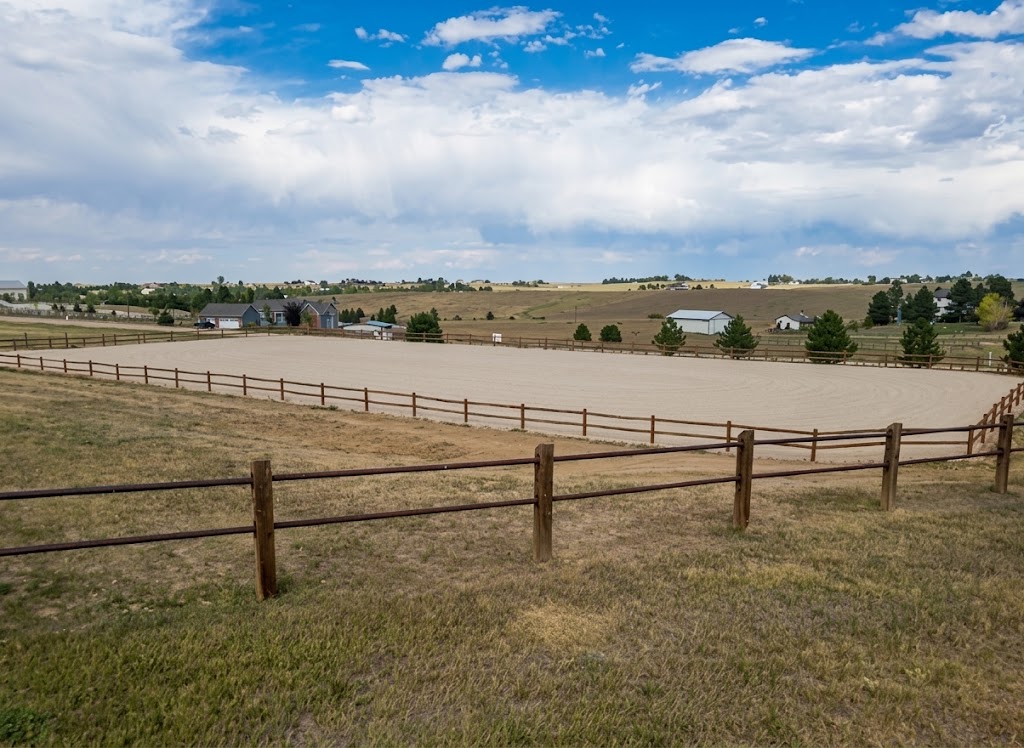
A Dedicated Riding Arena Gives Horses and Riders a More Controlled Place to Train
Riding on undeveloped or inconsistent ground can make regular training more difficult, particularly when weather, drainage, uneven terrain, or limited space affects the riding area. A dedicated arena provides a defined environment where homeowners can organize riding activities around the property's available space.
A professionally planned arena can give property owners an opportunity to create a more practical equestrian environment. Depending on the site and intended use, the project may help:
- Establish a dedicated area for riding, training, lessons, and exercise
- Create more consistent ground conditions for regular equestrian activities
- Organize the property around a clearly defined riding space
- Improve access for riders, horses, equipment, and maintenance vehicles
- Coordinate arena construction with fencing, drainage, grading, and surrounding improvements
- Make better use of available acreage by turning a selected area into a functional riding space
The goal is not simply to create an enclosed field. A successful horse riding arena should be planned around how the space will actually be ridden, maintained, accessed, and used over time.
Custom Horse Riding Arena Construction Across the Communities We Serve
Equestrian properties can differ widely in acreage, terrain, access, drainage, existing improvements, and riding objectives. A smaller residential arena may require a very different layout from a larger property designed for frequent training or multiple horses. We approach each Horse Riding Arena project around the actual land and the way the finished space is expected to function.
- Birmingham : Birmingham properties that have suitable open areas may benefit from a dedicated riding space designed around existing homes, landscaping, and access limitations. We consider the available footprint and surrounding site conditions when planning the arena.
- Hoover : Hoover homeowners may want to transform a portion of their property into a dedicated equestrian training area. Our arena planning considers access, drainage, usable space, and the intended riding activities.
- Vestavia : In Vestavia, terrain changes and established residential surroundings can influence where an arena can be positioned. We focus on fitting the riding area into the property's existing layout while maintaining practical access.
- Alabaster : Alabaster properties may offer opportunities for riding arenas as part of larger outdoor or acreage improvements. We plan the arena around terrain, available room, drainage considerations, and the owner's equestrian goals.
- Bessemer : Bessemer horse properties may require ground preparation before a suitable riding area can be established. Our team considers existing site conditions and organizes the arena project around the land available for development.
- Pelham : Pelham homeowners may be looking to add an arena for training, recreational riding, or regular horse exercise. We shape the project around the intended use, site layout, access, and surrounding property features.
- Helena : Helena properties can benefit from dedicated equestrian spaces that provide more structure for riding activities. We consider existing grades, available acreage, equipment access, and the desired arena arrangement.
- Mountain Brook : Mountain Brook properties may have limited open areas, mature landscape, and established improvements that influence arena placement. Our approach emphasizes thoughtful site organization and practical use of the available space.
- Trussville : Trussville landowners may use riding arenas for regular training, lessons, exercise, or recreational riding. We consider the property's terrain and access requirements when planning a functional equestrian space.
- Homewood : Homewood arena projects can require careful coordination with existing homes, landscaping, and property boundaries. We focus on creating a usable riding area that fits naturally within the available property.
- Calera : Calera properties may provide larger areas for equestrian improvements, making arena construction part of a broader land-use plan. We consider access, terrain, drainage, and intended riding activities when preparing the project.
- Chelsea : Chelsea homeowners may want a dedicated riding area that makes better use of available acreage. Our arena planning is adapted to the property's natural conditions and the owner's preferred use of the space.
- Gardendale : Gardendale properties may require a combination of clearing, grading, access preparation, and arena construction to establish a useful equestrian area. We coordinate the project around the property's existing conditions.
- Leeds : Leeds property owners may be interested in creating a dedicated arena for training, exercise, or recreational riding. We shape the project around the site's terrain, available space, and long-term equestrian goals.
Horse Riding Arena Services for Site Layout, Ground Preparation, and Equestrian Use
A horse riding arena can involve several stages of property preparation and construction depending on the site's condition and the owner's goals. The specific work may include:
- Arena site selection and layout to determine a practical location and footprint for the riding area
- Ground clearing and preparation to remove vegetation, debris, and obstacles from the planned arena area
- Excavation and earthwork to adjust existing ground conditions where necessary for arena preparation
- Grading and leveling to establish more consistent elevations and practical surface transitions
- Arena base preparation to create the groundwork needed for the selected riding surface
- Access planning to provide practical routes for horses, riders, equipment, and maintenance vehicles
- Coordination with fencing and site improvements to integrate the arena with the larger property layout
The ideal arena solution depends on the available property, intended riding activities, site conditions, dimensions, access needs, and the preparation required before the riding surface can be completed.
Thoughtful Arena Planning Helps Turn Available Acreage Into a More Functional Riding Environment
Choosing where to place a riding arena requires more than finding an open section of land. Terrain, drainage, access, nearby structures, property boundaries, horse movement, maintenance needs, and future improvements can all influence the layout.
Reviewing these factors before construction begins can create a more efficient project sequence and reduce unnecessary changes later. It also allows the arena to work as part of the overall property instead of functioning as an isolated improvement.
Designing the Riding Area Around Your Horses, Training Routine, and Property Goals
Not every rider uses an arena in the same way. Some homeowners may focus on basic exercise and recreational riding, while others need a space for lessons, arena work, conditioning, or more structured training.
A thoughtful Horse Riding Arena project considers the number of horses, riding activities, available space, access patterns, equipment movement, and maintenance requirements. These factors can influence the arena's dimensions, orientation, surrounding layout, and supporting site work.
A Properly Prepared Arena Base Provides the Foundation for a More Consistent Riding Surface
The condition beneath an arena surface matters because the finished riding area depends on the underlying ground being prepared appropriately. Uneven terrain, poor drainage, inconsistent grades, or inadequate preparation can make the surface more difficult to maintain.
Ground preparation, grading, and base work can be coordinated around the planned arena surface and surrounding property. The objective is to create a more organized foundation for the riding environment while considering how water, horses, riders, and equipment will interact with the site.
A Detailed Horse Arena Construction Process From Site Review to Finished Riding Space
A successful arena project begins by reviewing the proposed area, terrain, access, surrounding property features, and the owner's riding goals. We identify the conditions that need to be addressed before the arena can be constructed.
As the project progresses, clearing, excavation, grading, leveling, base preparation, and related site work are coordinated around the desired arena footprint. Attention is given to creating a practical transition from the original ground to the finished riding environment.
Reliable Horse Riding Arena Construction Built to Support Your Equestrian Property for Years to Come
Property owners looking for dependable property construction solutions can explore professional horse riding arena construction when an open area needs to become a more functional and organized equestrian space. When you are ready to review the property, discuss arena dimensions, or plan your riding area, contact our arena construction specialists to discuss a practical approach for your project.
We understand that an arena needs to work for both horse and rider while fitting naturally into the surrounding property. Our approach emphasizes thoughtful site planning, practical ground preparation, useful access, coordinated grading, and construction suited to the intended riding use.
The Lasting Benefits of Creating a Dedicated Space for Riding and Training
A dedicated riding arena can make equestrian activities more convenient by providing a defined space that can be used on a regular basis. Instead of relying entirely on undeveloped ground, homeowners can have a more organized area for riding, exercise, training, and lessons.
An arena may also become part of a broader property improvement plan. Fencing, access routes, stable areas, land clearing, drainage, and other improvements can be coordinated around the riding space as the property develops.
The objective is to create an equestrian area that supports the property's current riding needs while remaining practical for future use and improvements.
How Our Horse Arena Team Organizes the Project From Initial Site Review to Final Riding Area
We begin by reviewing the proposed arena location, available space, existing ground conditions, access, drainage considerations, and the homeowner's riding objectives. This creates a practical foundation for determining the preparation and construction requirements.
Once work begins, clearing, excavation, grading, leveling, base preparation, and related site work are organized around the planned arena footprint. Attention is given to access and the surrounding property so the finished area remains practical to use and maintain.
Whether the project involves a compact riding area or a larger equestrian development, the construction approach is adjusted to the property's actual characteristics rather than using one standard arena layout for every site.
Signs Your Property May Be Ready for a Dedicated Horse Riding Arena
An arena may be worth considering when existing riding conditions are inconsistent or when the property no longer provides a convenient space for regular equestrian activities. Consider an arena project when you notice:
- No dedicated area for regular riding, training, or horse exercise
- Uneven or poorly drained ground that makes riding conditions inconsistent
- Limited space for structured lessons or repeated training sessions
- An existing riding area that is too small or poorly arranged for current use
- A property layout that would benefit from a clearly defined equestrian zone
- A desire to create a more organized riding environment near other horse-related improvements
- A larger property development plan that includes dedicated space for horses and riding
When these conditions are present, reviewing the available land, intended riding activities, and supporting site requirements can help determine whether a dedicated arena is the right improvement for the property.
Why Property Owners Choose Us for Horse Riding Arena Construction
- Horse arena solutions tailored to the property's size, terrain, access, and intended riding use
- Practical planning that considers the relationship between the arena and the surrounding property
- Careful attention to clearing, excavation, grading, leveling, and base preparation
- Arena layouts designed around the homeowner's actual equestrian goals
- Coordination with land clearing, dirt work, fencing, drainage, and other property improvements
- Clear communication throughout the arena construction process
- Professional work practices focused on organized site preparation and construction
- A property-specific approach that recognizes every equestrian site has different requirements
What Can Influence the Cost of Building a Horse Riding Arena?
Horse riding arena costs can vary because properties differ in arena size, terrain, site access, vegetation, ground preparation requirements, base materials, drainage needs, and overall project scope. The final investment depends on the work necessary to create the desired riding environment.
- Arena size and dimensions — larger riding areas generally require more site preparation, material, equipment time, and labor
- Existing terrain — slopes, uneven ground, low areas, and difficult site conditions can affect preparation requirements
- Clearing and excavation — vegetation, trees, debris, and unsuitable ground may need to be addressed before construction begins
- Grading and leveling — significant elevation changes or detailed finished grades can increase the amount of earthwork involved
- Base and surface preparation — the selected arena construction approach and required footing preparation can affect material and labor requirements
- Related property improvements — access routes, fencing, drainage, land clearing, and other supporting work can expand the overall project scope
We believe property owners should understand what can shape an arena project before construction begins. The recommended scope should reflect the property's actual conditions, intended riding use, arena dimensions, and supporting site requirements.
Frequently Asked Questions About Horse Riding Arena Construction
Horse riding arena construction can include site selection, clearing, excavation, grading, leveling, base preparation, access planning, and coordination with fencing or other property improvements. The exact scope depends on the site's conditions and the intended use of the arena.
Yes. Depending on the site, excavation, filling, grading, and leveling can be used to prepare an appropriate area for an arena. The required earthwork depends on the property's existing terrain and the desired finished layout.
It can. If trees, brush, vegetation, or debris occupy the planned arena area, clearing may be necessary before grading and construction can begin. The amount of clearing depends on the property's condition and selected arena location.
Yes. Grading and leveling can be part of the preparation process when existing terrain needs to be reshaped for the planned riding area. The amount of work depends on the property's elevations and desired finished condition.
Yes. Arena construction can be coordinated with land clearing, grading, dirt work, fencing, access preparation, drainage, and other improvements when they are part of a larger equestrian property plan.
The timeline depends on the arena size, site conditions, vegetation, excavation needs, grading requirements, access, materials, weather, and overall project scope. A smaller project may take less time than a larger equestrian development.
Important considerations can include arena location, dimensions, terrain, drainage, access, clearing requirements, ground preparation, riding activities, surrounding property features, and any fencing or other improvements that will be part of the finished equestrian area.
Other Construction Services We Offer Beyond Horse Riding Arena Projects
SEE WHAT OUR CUSTOMERS SAY ABOUT US
REVIEWS
REVIEW US ON GOOGLE
our process
Our process is simple and only contains a few steps
proudly serving these areas
Birmingham
Hoover
Vestavia
Alabaster
Bessemer
Pelham
Helena
Mountain Brook
Trussville
Homewood
Calera
Chelsea
Gardendale
Leeds
READY TO take the next step?
get a free quote TODAY!
business
our services
service areas
operating HOURS
Monday: 7:00 AM - 5:00 PM
Tuesday: 7:00 AM - 5:00 PM
Wednesday: 7:00 AM - 5:00 PM
Thursday: 7:00 AM - 5:00 PM
Friday: 7:00 AM - 5:00 PM
Saturday: Closed
Sunday: Closed

© 2026 Landman Property Solutions