
Land Clearing (Small Scale or Large) services in Birmingham
Land Clearing (Small Scale or Large) Service EXPERTS
Clearance of vegetation and debris to prepare land for development, gardening, or access.
Professional Land Clearing to Open Your Property for New Possibilities, Better Access, and Future Development
Overgrown vegetation, unwanted trees, brush, and difficult terrain can make a property challenging to access or prepare for future use. Our construction services help property owners turn undeveloped or difficult areas into more practical spaces. When a site needs vegetation and surface obstacles removed, our professional land clearing services can help create a cleaner, more accessible starting point for the next stage of your property improvement.
Land clearing may involve removing brush, small trees, vegetation, fallen material, and other obstacles depending on the condition of the property. When additional ground preparation is required, related grading and leveling work can help create more useful terrain after the clearing is complete. To review your property and discuss the right approach, contact our land clearing team for project-specific guidance.
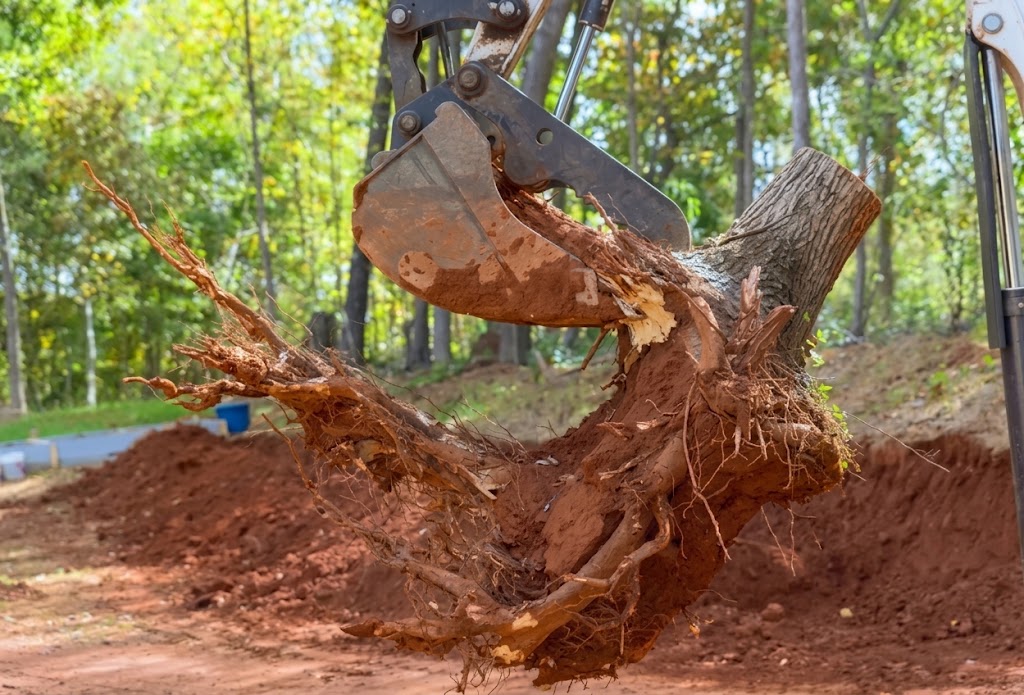
Clearing the Land Can Create a Safer, More Accessible, and More Usable Property
Thick brush, fallen trees, unmanaged vegetation, and unwanted growth can restrict access and make future property improvements harder to plan. Clearing these obstacles can provide a more open working area while giving property owners a better view of the land's existing shape and potential.
Professional land clearing creates an opportunity to prepare the property for its next purpose. Depending on the site and project goals, clearing may help:
- Open areas for future construction, development, or property improvements
- Improve access for vehicles, equipment, and construction crews
- Remove overgrown brush, unwanted vegetation, and selected trees from planned work areas
- Create clearer working conditions for excavation, grading, and site preparation
- Make previously difficult or inaccessible portions of the property more usable
- Prepare the land for future driveways, foundations, structures, or other planned improvements
The objective is not simply to remove vegetation. Effective land clearing prepares the property for what the owner wants to do with the space next.
Trusted Land Clearing Services Across the Communities We Serve
Each property has its own combination of vegetation, terrain, access limitations, existing structures, and future development plans. A wooded lot may require a very different clearing strategy from an overgrown residential property or an open tract being prepared for construction. We shape each Land Clearing project around the actual site and its intended use.
- Birmingham : Birmingham properties can include wooded sections, established residential areas, and spaces where unwanted growth limits access. Our clearing approach focuses on opening targeted areas while considering surrounding structures and property conditions.
- Hoover : Hoover property owners may need land clearing before construction, access improvements, or outdoor development. We organize the work around the areas that need to be opened so the property becomes more practical for its next stage.
- Vestavia : In Vestavia, existing trees, brush, slopes, and established landscaping can influence how a property is cleared. Our approach is tailored to the working area and the improvements planned for the site.
- Alabaster : Alabaster homeowners may need to open portions of their property for new construction, improved access, or future outdoor use. We focus on clearing the necessary areas while keeping the overall site plan in mind.
- Bessemer : Bessemer properties can develop dense brush and overgrowth that make portions of the land difficult to reach or maintain. Our land clearing services are organized around restoring practical access and creating a cleaner work area.
- Pelham : Pelham residents may clear land to prepare for a building site, driveway, outdoor improvement, or expanded usable area. We consider the existing vegetation and terrain when determining how the work should proceed.
- Helena : Helena properties may require selective or broader clearing before construction and site preparation can begin. Our team focuses on opening the areas necessary for the project while adapting to existing property features.
- Mountain Brook : Mountain Brook properties may have established trees, landscaping, and neighboring improvements that require careful clearing coordination. We focus on the intended work area while remaining mindful of the surrounding property.
- Trussville : Trussville property owners may need land cleared before developing open space, preparing construction areas, or improving access. We tailor the project to the site's vegetation and the work planned for the cleared area.
- Homewood : Homewood clearing projects can involve established residential environments where access and working space must be carefully considered. Our approach centers on removing obstacles from targeted areas while working with the existing property layout.
- Calera : Calera landowners may be preparing property for new construction, improved access, or broader site development. We consider the amount of vegetation, usable space, and future purpose of the site when organizing the clearing work.
- Chelsea : Chelsea properties can benefit from clearing when brush, trees, or overgrown sections interfere with planned improvements. Our team focuses on creating a more accessible site while aligning the work with the property's future use.
- Gardendale : Gardendale homeowners may require land clearing to open areas for construction, outdoor improvements, or property access. We organize the work around the specific sections that need attention and the preparation that will follow.
- Leeds : Leeds property owners may need vegetation and surface obstacles removed before beginning a new project. Our land clearing approach is adjusted to the site's existing growth, terrain, access, and intended development goals.
Land Clearing Services That Open Space for Construction, Access, and Property Improvements
Land clearing can range from selective vegetation removal to broader site clearing depending on the property's condition and future plans. The specific work may include:
- Brush and vegetation removal to open areas that have become overgrown or difficult to access
- Tree and small growth clearing in designated areas where vegetation interferes with planned improvements
- Debris and fallen material removal to improve the condition and usability of the cleared area
- Construction area clearing to prepare open space for homes, structures, pads, or other projects
- Access route clearing to create more practical paths for vehicles and construction equipment
- Property opening and site preparation for homeowners who want to make previously inaccessible land more usable
- Coordination with follow-up earthwork when clearing needs to be followed by grading, excavation, or other site improvements
The right clearing strategy depends on the property's vegetation, terrain, access, surrounding features, and what the owner plans to do with the cleared space afterward.
Strategic Land Clearing Helps Prepare the Property Before the Next Phase Begins
Clearing a site should be planned around what happens after the vegetation and obstacles are removed. A future building, driveway, septic system, drainage improvement, or open-use area may each require a different section of the property to be prepared.
Planning the clearing with future improvements in mind can help avoid unnecessary work and create a more logical sequence for subsequent site preparation. It also helps property owners understand which areas should remain untouched and which need to be opened for the project.
Opening the Right Areas Can Make More of Your Property Available for Use
Overgrowth can hide the natural layout of a property and make certain sections difficult to reach or maintain. Once unwanted vegetation and obstacles are removed, homeowners may have a clearer understanding of available space and how different areas can be used.
A thoughtful Land Clearing project considers access routes, future structures, outdoor spaces, equipment movement, drainage, and other property goals. These factors help determine the areas that should be cleared and how the work should be organized.
Understanding Existing Terrain Makes Land Clearing More Effective
Vegetation often grows in areas with changing elevation, uneven ground, drainage patterns, and other natural site features. Clearing the land without considering these characteristics can make the next stage of property preparation more difficult.
Our approach considers how cleared areas relate to the rest of the site. When necessary, clearing can be coordinated with grading, excavation, and other earthwork so the property is prepared according to its intended final use.
A Detailed Land Clearing Process From Site Review to a More Open and Usable Property
A successful clearing project begins with understanding the property's current vegetation, access points, terrain, structures, and future development plans. We identify the areas that need to be opened and consider how the cleared space will be used afterward.
As the project progresses, vegetation, brush, selected trees, debris, and other obstacles are removed from the designated work areas. Attention is given to maintaining a practical site condition for whatever grading, construction, or property improvement comes next.
Reliable Land Clearing Built to Prepare Your Property for Years to Come
Property owners looking for dependable property improvement solutions can explore professional land clearing and vegetation removal when overgrowth, brush, or unwanted trees are limiting access or delaying a planned project. When you are ready to review the property, identify the work area, or plan the next stage, contact our land clearing specialists to discuss a practical approach for your site.
We understand that clearing is often the first step toward transforming unused or difficult land into something more practical. Our approach focuses on organized removal, careful site consideration, improved accessibility, and preparation that supports the property's next phase.
The Long-Term Benefits of Turning Overgrown Land Into Usable Space
Clearing unwanted growth can make a property easier to access, maintain, inspect, and develop. Open areas may provide homeowners with more options for construction, outdoor improvements, access routes, storage, or future property use.
Land clearing can also be an important first step in larger projects. New homes, driveways, foundations, septic systems, recreational areas, and other improvements may all require a clean and accessible work area before construction can begin.
The objective is to leave the property better positioned for its current improvement goals while creating flexibility for future development.
How Our Land Clearing Team Organizes the Work From Initial Property Review to Completion
We begin by reviewing the areas to be cleared, existing vegetation, terrain, access, structures, and the homeowner's plans for the property. This helps determine the appropriate clearing scope and the areas that need to remain protected or undisturbed.
Once work begins, brush, vegetation, selected trees, and surface obstructions are removed from the designated areas. The work is coordinated around the property's next stage so the cleared space is ready for grading, construction, access improvements, or other planned work.
Whether the project involves a small residential clearing area or a larger tract of property, the approach is adapted to the site's actual characteristics instead of applying the same clearing method everywhere.
Signs Your Property May Be Ready for Professional Land Clearing
Land can become increasingly difficult to use when vegetation grows unchecked or natural obstacles begin restricting access. Consider professional land clearing when you notice:
- Dense brush or overgrowth covering areas you want to access or develop
- Fallen trees, branches, or accumulated vegetation blocking usable space
- Trees or small growth interfering with a planned building, driveway, or property improvement
- Overgrown sections that prevent equipment or vehicles from reaching the property area
- Unused portions of land that could serve a practical purpose after clearing
- A new construction or development project that requires a clean work area
- A need to expose the terrain before grading, excavation, or other site work
When these conditions are present, reviewing the property as a whole can help determine which areas should be cleared and what type of preparation should follow.
Why Property Owners Choose Us for Land Clearing and Property Preparation
- Land clearing solutions tailored to the property's terrain, vegetation, and future use
- Practical planning that considers what will happen after the clearing is complete
- Careful attention to brush, vegetation, selected trees, debris, and access conditions
- Clearing projects organized around the homeowner's actual property goals
- Coordination with grading, excavation, foundations, driveways, and other improvements
- Clear communication throughout the land clearing process
- Professional work practices focused on keeping the project organized and efficient
- A property-specific approach that recognizes every clearing project has different site conditions
What Can Influence the Cost of a Land Clearing Project?
Land clearing costs can vary because every property has different vegetation density, terrain, access, clearing area, equipment needs, and disposal requirements. The overall project scope depends on what must be removed and what condition the site needs to reach afterward.
- Size of the clearing area — larger sections of property generally require more equipment time, labor, and site work
- Vegetation density — thick brush, numerous trees, and heavy growth can increase the amount of clearing work required
- Terrain and access — slopes, limited entry points, rough ground, and difficult equipment access can affect project requirements
- Material removal — the amount of brush, trees, debris, and other material that needs to be handled can influence the scope
- Selective versus broader clearing — projects involving specific vegetation removal may differ from projects requiring a larger area to be opened
- Related site preparation — grading, leveling, excavation, access preparation, or other follow-up work can expand the overall project
We believe property owners should understand what can shape a clearing project before work begins. The recommended scope should reflect the actual property, the vegetation being removed, and the condition needed for the next stage of development.
Frequently Asked Questions About Land Clearing Services
Land clearing can include removing brush, unwanted vegetation, selected trees, fallen material, debris, and other obstacles from designated areas. The exact scope depends on the property's condition and what the cleared space will be used for.
Yes. Clearing can create open and accessible areas for future construction, foundations, driveways, utilities, septic work, and other planned improvements. Additional grading or excavation may also be needed depending on the site.
Yes. Land clearing can be focused on selected sections rather than requiring the entire property to be cleared. The project can be organized around the specific areas needed for access, construction, or other property improvements.
Yes. Clearing often works well as an early stage of broader site preparation. After unwanted vegetation and obstacles are removed, grading, excavation, leveling, or other earthwork can be performed where needed.
The timeline depends on the size of the area, vegetation density, terrain, access, equipment requirements, and overall project scope. A smaller clearing project may take less time than a heavily overgrown or larger property.
Yes. Removing brush, fallen material, and other obstacles can create more practical routes for vehicles, equipment, and property owners. Additional grading may be considered when the terrain also limits access.
Important considerations can include the areas that need to be opened, existing structures, access points, vegetation to be removed, future construction plans, drainage, terrain, and whether grading or other site preparation will follow the clearing work.
Other Construction Services We Offer Beyond Land Clearing
SEE WHAT OUR CUSTOMERS SAY ABOUT US
REVIEWS
REVIEW US ON GOOGLE
our process
Our process is simple and only contains a few steps
proudly serving these areas
Birmingham
Hoover
Vestavia
Alabaster
Bessemer
Pelham
Helena
Mountain Brook
Trussville
Homewood
Calera
Chelsea
Gardendale
Leeds
READY TO take the next step?
get a free quote TODAY!
business
our services
service areas
operating HOURS
Monday: 7:00 AM - 5:00 PM
Tuesday: 7:00 AM - 5:00 PM
Wednesday: 7:00 AM - 5:00 PM
Thursday: 7:00 AM - 5:00 PM
Friday: 7:00 AM - 5:00 PM
Saturday: Closed
Sunday: Closed

© 2026 Landman Property Solutions